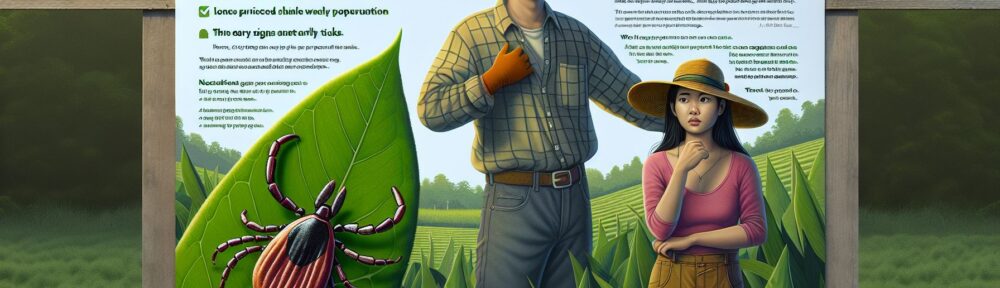
As a farmer, you spend a lot of time outdoors, working in fields, tending to animals, and enjoying nature. However, spending so much time outside also puts you at risk for Lyme disease, a potentially serious illness that is spread by deer ticks. It’s important to be aware of the symptoms of Lyme disease so that you can seek treatment if necessary. In this article, we will discuss the signs and symptoms of Lyme disease and what you can do to protect yourself.
Symptoms of Lyme Disease
Lyme disease is caused by the bacterium Borrelia burgdorferi and is transmitted to humans through the bite of infected black-legged ticks, also known as deer ticks. The most common sign of Lyme disease is a red, bullseye-shaped rash that appears at the site of the tick bite. However, not everyone with Lyme disease will develop this rash, so it’s important to be aware of other symptoms as well.
Some of the early symptoms of Lyme disease include flu-like symptoms such as fever, fatigue, headache, and muscle aches. As the disease progresses, you may experience joint pain and swelling, as well as neurological problems like numbness and tingling. In severe cases, Lyme disease can lead to heart problems and arthritis.
How to Protect Yourself
As a farmer, it’s crucial to take steps to protect yourself from tick bites and reduce your risk of contracting Lyme disease. Here are some tips to help you stay safe:
- Wear long sleeves and pants when working outdoors, especially in wooded or grassy areas where ticks are common.
- Use insect repellent that contains DEET on exposed skin and clothing.
- Check yourself for ticks regularly, especially after spending time outside.
- Remove any ticks you find promptly and properly using tweezers.
- Shower soon after coming indoors to wash away any ticks that may be crawling on your skin.
When to Seek Treatment
If you suspect that you may have been exposed to ticks or if you experience any of the symptoms of Lyme disease, it’s important to seek medical attention as soon as possible. Your doctor can perform tests to determine if you have Lyme disease and prescribe antibiotics to treat the infection.
Early treatment is key to preventing complications from Lyme disease, so don’t delay in seeking help if you think you may be sick. Remember, Lyme disease can affect anyone who spends time outdoors, not just farmers, so it’s important to be vigilant and aware of the risks.
In conclusion, Lyme disease is a serious illness that can have long-lasting effects if not treated promptly. As a farmer, it’s important to be aware of the symptoms of Lyme disease and take steps to protect yourself from tick bites. By being proactive and seeking treatment if necessary, you can reduce your risk of contracting Lyme disease and stay healthy while enjoying the great outdoors. Stay safe and stay well!