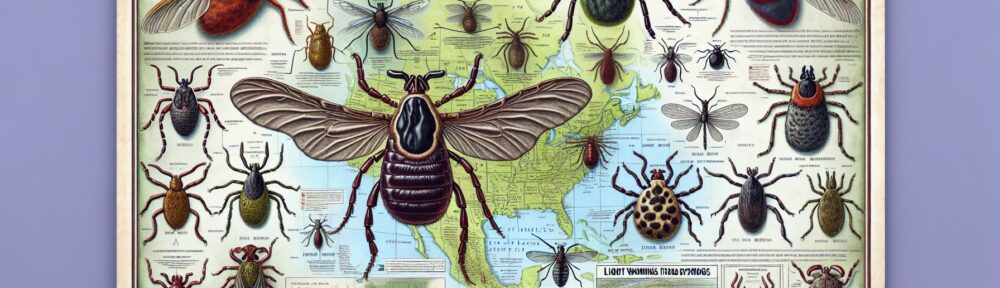
Hello there, fellow nature lovers! As much as we adore spending time outdoors, it’s essential to be aware of the potential risks that come with it. One significant concern to keep in mind is Lyme disease, a tick-borne illness that can cause a range of symptoms and complications. In this blog post, we’ll take a closer look at some of the animals and insects that carry Lyme disease, so you can stay informed and protect yourself while enjoying the great outdoors.
Ticks: The Culprits Behind Lyme Disease
Ticks are small, blood-sucking arachnids that are notorious for transmitting Lyme disease to humans. The most common type of tick responsible for spreading the infection is the black-legged tick, also known as the deer tick. These tiny pests can be found in wooded and grassy areas, where they latch onto unsuspecting victims and feed on their blood.
When an infected tick bites a human, it can transmit the bacterium Borrelia burgdorferi, which causes Lyme disease. Symptoms of Lyme disease can vary but often include a characteristic red rash, fever, fatigue, and joint pain. If left untreated, Lyme disease can lead to more severe symptoms and long-term complications.
To protect yourself from tick bites and reduce the risk of contracting Lyme disease, it’s essential to take preventive measures whenever you’re spending time outdoors. Wear long sleeves and pants, use insect repellent containing DEET, and perform regular tick checks on yourself and your pets. If you find a tick attached to your skin, remove it carefully with tweezers and clean the area thoroughly.
Flies: Another Carrier of Lyme Disease
While ticks are the most well-known vectors of Lyme disease, other insects can also transmit the infection. Some species of flies, such as deer flies and horse flies, have been found to carry the bacterium that causes Lyme disease and can pass it on to humans through their bites.
Although the risk of contracting Lyme disease from fly bites is lower compared to ticks, it’s still essential to be cautious when you’re in areas where these insects are prevalent. Using insect repellent, wearing protective clothing, and avoiding outdoor activities during peak biting times can help reduce the likelihood of being bitten by infected flies.
Other Animals: Reservoirs of Lyme Disease
In addition to ticks and flies, certain animals can harbor the bacterium that causes Lyme disease and serve as reservoirs for the infection. Small mammals, such as mice, squirrels, and chipmunks, are known to carry Borrelia burgdorferi and can contribute to the spread of the disease among ticks in their environment.
By feeding on infected animals, ticks can acquire the bacterium and pass it on to humans when they bite. This intricate cycle highlights the interconnectedness of different species in the transmission of Lyme disease and underscores the importance of taking preventive measures to protect yourself from tick bites.
Conclusion
In conclusion, being aware of the animals and insects that carry Lyme disease is crucial for safeguarding your health while enjoying the great outdoors. By taking simple precautions, such as wearing protective clothing, using insect repellent, and performing regular tick checks, you can minimize the risk of contracting Lyme disease and ensure a safe and enjoyable outdoor experience.
Remember, early detection and treatment are key to managing Lyme disease effectively, so if you suspect you may have been exposed to ticks or flies in a high-risk area, don’t hesitate to seek medical attention. Stay informed, stay vigilant, and stay safe out there!