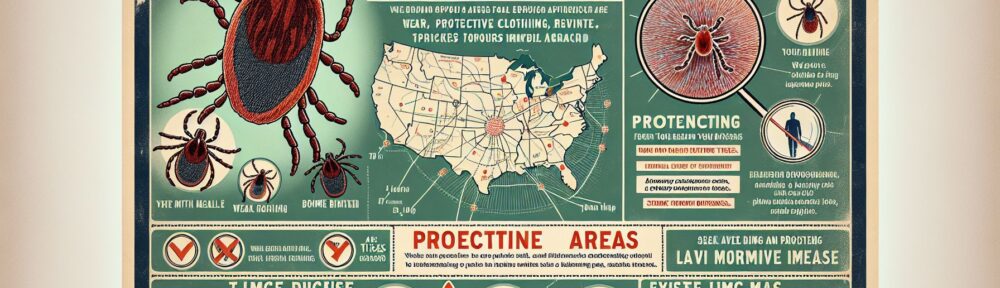
Lyme disease, an infectious disease that is transmitted to humans by the bite of an infected black-legged tick, is an increasing concern across many parts of the world. Protecting one’s health from this ailment requires thorough knowledge and application of key safe practices. This article seeks to provide accurate information on Lyme disease and how to effectively prevent it.
Understanding Lyme Disease
Before we begin to discuss how to avoid Lyme disease, it’s important to understand what it is. The bacterium Borrelia burgdorferi is the primary cause of Lyme disease in North America while Borrelia afzelii and Borrelia garinii are often the cause in Europe and Asia. These bacteria are transmitted through the bite of an infected nymph or adult tick.
Sympticks of Lyme disease include fever, headache, fatigue, and a characteristic skin rash called erythema migrans. If not treated promptly, the infection can spread to joints, the heart, and the nervous system. Lyme disease is primarily diagnosed based on symptoms, physical findings, and the possibility of exposure infected ticks. Lab testing can be beneficial but often comes up negative in the early stages of infection.
The Ticks behind Lyme Disease
In the United States, the black-legged tick or deer tick (Ixodes scapularis and Ixodes pacificus) is the vector responsible for transmitting the bacteria that cause Lyme disease. These ticks are generally found in grassy and heavily wooded areas. They are well camouflaged and often no larger than a poppy seed, making them challenging to spot.
Avoiding Lyme Disease
Preventing Lyme disease centers around two main areas: avoiding tick habitats and adequately protecting oneself when exposure is unavoidable.
Know When to Be Extra Vigilant
Ticks are more active during warmer months (April-September), but this varies based on geographical location and local weather patterns. Stay informed about tick activity in your area.
Dress with Protection in Mind
If you intend to visit a tick-prone area or are in regular contact with nature via gardening or pet walking, dress properly. Wear long-sleeved shirts, long pants, and strong boots or shoes. Light-colored clothing can aid in spotting ticks before they reach the skin.
Use Tick Repellents
Using Environmental Protection Agency (EPA)-registered insect repellents can significantly minimize the risk of tick bites. Products containing DEET, picaridin, or oil of eucalyptus are said to be effective.
Check for Ticks
After spending time in tick habitats, check yourself, your children, and your pets thoroughly for ticks. Remember to check those hard-to-see areas as ticks prefer warm, moist areas of the body.
Create a Tick-Free Environment
Maintain your lawn and garden to reduce tick habitats. Clear tall grasses and brush around homes and at the edges of lawns. Stack wood neatly and in dry areas. Regularly remove leaf litter and grade your property to drain any standing water.
Conclusion
Lyme disease is a significant public health concern, with cases increasing annually. It is essential for individuals, especially those living in or visiting high-risk areas, to understand the disease and apply preventive measures diligently and consistently. As with many health issues, prevention is better than cure when it comes to Lyme disease. By making informed decisions about where you spend your time, how you dress, how you maintain your yard, and using repellents, you can significantly reduce the risk of Lyme infection and enjoy the great outdoors without the concern of contracting Lyme disease. Keep in mind, your health is your wealth. Protect it wisely.