If you’re a farmer, you’re not just the caretaker of your crops and livestock, you’re also at the front lines when it comes to insect-borne diseases such as Lyme disease. While this illness is often associated with outdoor activities like hiking and camping, farmers may actually be more at risk due to the frequency of their exposure to tick habitats.
Lyme disease, caused by the bacterium Borrelia burgdorferi, is usually transmitted to humans via the bites of infected ticks, primarily the deer tick or black-legged tick. Early recognition and treatment can significantly reduce the course and severity of this disease. Hence, in this article, we’ll provide an overview of the symptoms of Lyme disease, particularly for those in the farming industry.
Early Signs and Symptoms
Transmitted through the bite of an infected tick, Lyme disease can manifest in a range of symptoms – each varying from person to person. A characteristic sign that Lyme disease could be present is a skin rash, clinically known as erythema migrans.
Erythema Migrans
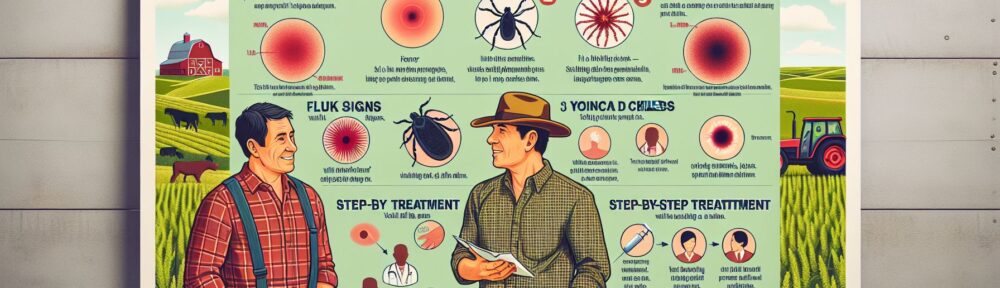
This rash usually starts at the site of the tick bite anywhere from 3 to 30 days after the tick’s bite. Often this rash expands gradually over several days, reaching up to 12 inches (30 cm) across. Typically, the rash presents as a red, circular patch that may feel warm but is usually not itchy or painful. As it grows, it can sometimes clear in the center, leading many to describe its final appearance as looking like a bull’s eye target. However, it’s vital to note that not everyone infected with Lyme gets this rash.
Flu-like Symptoms
In addition to erythema migrans, flu-like symptoms can also emerge within the first few weeks after infection. These symptoms include fever, chills, fatigue, body aches, headache, neck stiffness, and swollen lymph nodes. Because these symptoms are common to many conditions, Lyme disease can often be overlooked.
Later Signs and Symptoms
If Lyme disease is not diagnosed and treated, the infection can spread and cause symptoms in various parts of the body weeks, months, or even years after the infection. These can include:
Joint Pain
One of the ongoing symptoms is swelling and severe pain in the joints, particularly the knees. The pain can move around to different joints over time.
Neurological Problems
Lyme disease can also affect your nervous system, leading to symptoms such as meningitis (swelling of the brain membranes), temporary paralysis of facial muscles (Bell’s palsy), numbness or weakness in your limbs, and impaired muscle movement.
Heart Problems
In rare cases, Lyme disease can also cause inflammation of the heart muscles, leading to irregular heart rhythm and other heart problems.
Tips for Prevention
Given the potential severity of Lyme disease, its prevention is essential for those working in farming and similar outdoor occupations. This involves reducing exposure to ticks by using insect repellents, performing regular full-body tick checks, and removing ticks promptly and correctly.
Conclusion
In conclusion, Lyme disease is an issue that all farmers should be aware of. Being able to recognize early signs such as the erythema migrans rash and flu-like symptoms can lead to earlier treatment, reducing potential later-stage problems such as joint pain, neurological issues, or heart problems.
Remember, Lyme disease can present multiple, varying symptoms, and not all patients will exhibit the same signs. Thus, it is crucial to consult your healthcare provider if you suspect you have been bitten by a tick or are experiencing symptoms suggestive of Lyme disease. Not only does early detection lead to more effective treatment, but it also significantly decreases the chance of severe outcomes typically associated with late-stage Lyme disease.