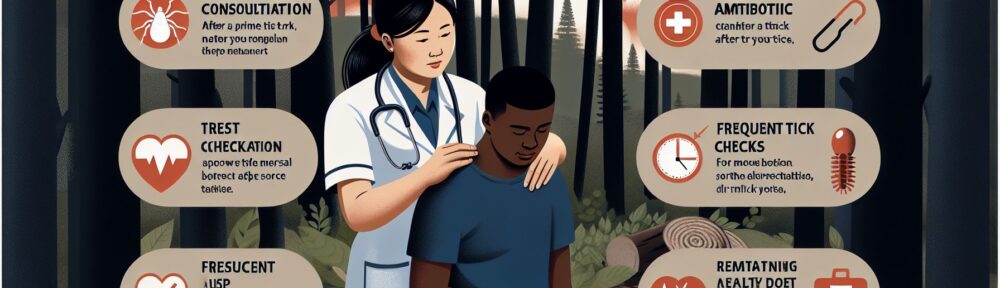
As a caretaker for someone with Lyme disease, it’s important to understand the complexities of this condition and how to provide the best care possible. Lyme disease is a tick-borne illness caused by the bacterium Borrelia burgdorferi. It can be a challenging illness to manage, as symptoms vary widely and can impact multiple body systems. Proper treatment and support are crucial to help the individual recover and manage their symptoms effectively.
Recognizing Symptoms and Seeking Treatment
The first step in caring for someone with Lyme disease is to be able to recognize the symptoms. Early signs of Lyme disease often include flu-like symptoms such as fever, fatigue, muscle aches, and headache. A hallmark symptom of Lyme disease is a characteristic rash called erythema migrans, which resembles a bullseye and appears at the site of the tick bite.
If you suspect that someone in your care may have Lyme disease, it’s important to seek medical attention promptly. A healthcare provider can perform tests to confirm the diagnosis and recommend an appropriate treatment plan, typically involving a course of antibiotics. Early diagnosis and treatment are key to preventing the progression of the disease and minimizing long-term complications.
Providing Support and Understanding
Living with Lyme disease can be physically and emotionally challenging for both the individual affected and their caretaker. It’s essential to provide ongoing support and understanding to help them cope with the symptoms and limitations of the illness. Encouraging open communication and listening to their needs and concerns can make a significant difference in their quality of life.
Additionally, it’s important to educate yourself about Lyme disease and stay informed about the latest research and treatment options. This knowledge will empower you to advocate for the individual in your care and work collaboratively with their healthcare team to ensure they receive the best possible care.
Managing Symptoms and Promoting Wellness
Caring for someone with Lyme disease involves helping them manage their symptoms and promote overall wellness. Individuals with Lyme disease may experience a range of symptoms, including joint pain, neurological problems, and chronic fatigue. Encouraging them to follow a treatment plan prescribed by their healthcare provider, including taking medications as directed and attending follow-up appointments, is crucial for their recovery.
In addition to medical treatment, supporting healthy lifestyle habits such as regular exercise, nutritious diet, and stress management can also benefit individuals with Lyme disease. Physical activity can help improve joint mobility and overall well-being, while a balanced diet rich in vitamins and minerals can support their immune system and aid in the healing process.
Addressing Mental Health and Emotional Well-being
Living with a chronic illness like Lyme disease can take a toll on mental health and emotional well-being. It’s important to be aware of the emotional impact of the illness and provide support to the individual in your care. Encouraging them to seek counseling or therapy, joining a support group, or engaging in stress-reducing activities such as meditation or mindfulness can help them cope with the challenges of Lyme disease.
As a caretaker, be mindful of your own mental health as well. It’s natural to experience feelings of stress, frustration, or burnout when caring for someone with a chronic illness. Taking breaks, seeking support from friends or family members, and practicing self-care can help you maintain your own well-being and continue to provide quality care to your loved one with Lyme disease.
Conclusion
Caring for someone with Lyme disease requires patience, understanding, and a proactive approach to managing their symptoms and promoting their overall well-being. By recognizing the symptoms, seeking prompt treatment, providing ongoing support, and addressing mental health needs, you can help the individual in your care navigate the challenges of living with Lyme disease and work towards a path to recovery. Remember to prioritize self-care and seek help when needed to maintain your own health and well-being as a caretaker. Together, you can navigate the complexities of Lyme disease and support each other on the journey towards healing.