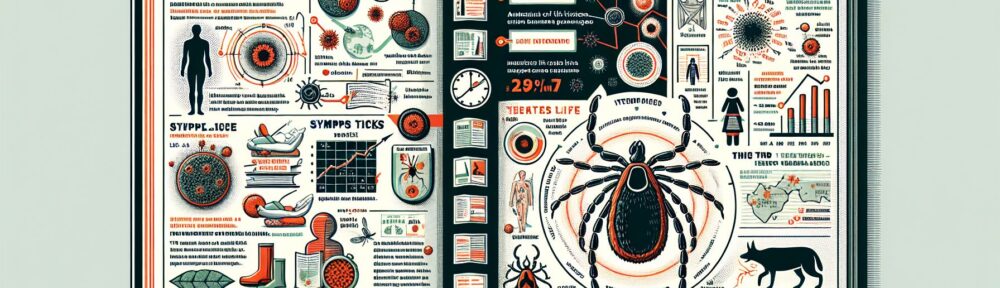
Hello pals! Today, let’s talk about a topic that’s often buzzing around in health-oriented discussions – Lyme disease. It’s one of those conditions that you never really think about until you or someone you know comes into contact with it. Lyme disease, known medically as ‘Borrelia burgdorferi,’ is an infectious disease that’s transmitted to humans through a tick bite. Recognizing the symptoms and understanding how to manage Lyme disease are crucial steps towards achieving optimal health after an infection.
Recognize the Symptoms
First off, congratulations on being proactive about your health! To manage Lyme disease effectively, the first step is to observe any changes in your body closely. You know your body best. So when things go a little south, you’re likely to be the first to notice.
Lyme disease often presents symptoms similar to the flu. You may experience fever, fatigue, headache, muscle and joint aches, and swollen lymph nodes. A significant fraction of patients also find a red circular ‘bull’s-eye’ rash around the tick bite. However, not everyone with Lyme disease will experience all these symptoms. Therefore, it’s always best to seek medical help if you suspect you might have gotten bitten by a tick, particularly if you’ve been in a tick-prone area.
Get a Proper Diagnosis
“People don’t believe in what they can’t see,” they say. Well, the same applies to Lyme disease. Getting a proper diagnosis will provide concrete evidence of your condition, helping you to believe and accept what’s happening.
To be tested for Lyme disease, talk to your healthcare provider about your symptoms and your recent outdoor activities. Your healthcare provider will likely order a blood test to confirm the presence of Lyme disease. It’s important to note that it may take several weeks for your body to produce the antibodies the test is looking for, so the timing of this test is critical.
Begin Your Lyme Disease Treatment
Once diagnosed with Lyme disease, immediate treatment is vital. Your healthcare provider will chart out a treatment plan often consisting of antibiotics. Doxycycline, amoxicillin, and cefuroxime are some of the most common antibiotics used to treat Lyme disease. Your doctor will determine which antibiotic is suitable for you based on your health condition and possible allergies.
It’s vital to take the full course of the medication as directed by your healthcare provider, even if you feel better before completing the treatment. This would not only prevent relapses but also potentially speed up your recovery process.
Keep Up With Lifestyle Measures
While your go-to antibiotics do their job, let’s dig into some measures that you can take at home to help speed up your recovery:
- Balanced diet: A diet high in fruits, vegetables, whole grains, and lean sources of proteins will help strengthen your immune system and give you the energy needed to combat the disease.
- Hydrate often: Staying well-hydrated is very crucial. Make sure to drink enough fluids, but do avoid any alcohol or caffeine.
- Rest and rejuvenate: Rest is a powerful medicine. Give your body plenty of time to heal by getting adequate sleep.
- Stay active: Incorporating gentle exercises into your routine, as tolerated, can also be beneficial in managing symptoms.
Remember, everyone responds differently to Lyme disease treatment. It might take some people a few weeks to recover completely, while others may continue to experience symptoms for months or even years.
Work on Preventive Measures
Understandably, Lyme disease is not one of those experiences you’d want to repeat. The good news is that prevention is most definitely better (and simpler) than cure. Opt for wearing long pants and long-sleeved shirts when heading into a tick-prone area, use a reliable tick repellent, and make a regular habit of checking your body for ticks.
To sum it up, if you’ve been diagnosed with Lyme disease, remember that it’s merely a bend in the road, not the end. With an accurate diagnosis, effective Lyme disease treatment, some lifestyle tweaks, and an ample amount of rest, you’ll be well on your way back to health. Stay positive and stay proactive, folks!