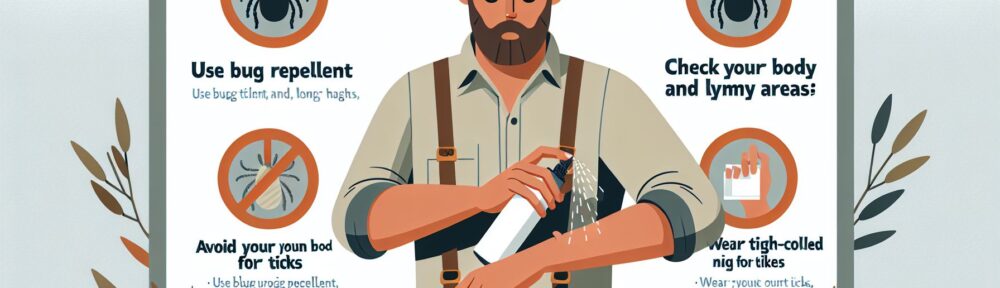
Hey there, farmers! As we head into the warmer months, it’s important to be aware of the dangers of Lyme disease. Lyme disease is a tick-borne illness that can cause a range of symptoms, from a rash and fever to joint pain and fatigue. And as we spend a lot of time outdoors working on our farms, we may be at a higher risk of coming into contact with ticks that carry the disease.
But don’t worry, I’m here to give you some friendly tips on how you can protect yourself and avoid getting Lyme disease while you’re out in the fields.
Know Your Enemy: Ticks
Ticks are small, spider-like creatures that feed on the blood of animals and humans. They can be found in wooded areas, tall grass, and brush, making them common in many farming environments. Ticks are most active in the warmer months, from April to September, so it’s especially important to be vigilant during this time.
Ticks can carry the bacteria that causes Lyme disease, and they typically pass it on to humans through their bite. To reduce your risk of getting Lyme disease, it’s important to take precautions to avoid tick bites.
Dress for Success
One of the best ways to protect yourself from ticks is to dress appropriately. When you’re working on the farm, try to wear long sleeves and long pants to cover your skin. Tucking your pants into your socks and wearing closed-toe shoes can also help prevent ticks from latching onto your skin.
Wearing light-colored clothing can make it easier to spot ticks that may have hitched a ride on you. And if you’re going to be working in areas with tall grass or brush, consider wearing permethrin-treated clothing for added protection.
Use Tick Repellent
In addition to dressing appropriately, using insect repellent can help keep ticks at bay. Look for repellents that contain DEET or picaridin, as these are effective at repelling ticks. Be sure to follow the instructions on the label when applying insect repellent and reapply as needed.
You can also treat your clothing with permethrin, a tick-repellent spray that can provide added protection. Just be sure to let the clothing dry completely before wearing it.
Stay on the Beaten Path
When you’re out on the farm, try to stick to well-maintained paths and avoid walking through tall grass or brush whenever possible. Ticks are more likely to be found in these areas, so staying on the beaten path can help reduce your risk of coming into contact with them.
If you do need to venture off the path, be sure to check yourself for ticks when you return indoors. Ticks are small and can be hard to spot, so it’s important to thoroughly check your body, especially in areas where ticks are known to hide, like behind the knees, in the armpits, and in the hair.
Protect Your Animals
Ticks can also pose a threat to your livestock, so it’s important to take steps to protect them as well. Talk to your veterinarian about tick prevention products that can help keep your animals safe from ticks and the diseases they carry. Keeping your animals healthy can also help reduce your risk of being exposed to ticks on the farm.
Conclusion
Lyme disease is a serious illness that can have long-lasting effects if not treated promptly. By taking precautions to avoid tick bites and being vigilant about checking for ticks, you can reduce your risk of getting Lyme disease while working on the farm.
Remember to dress appropriately, use tick repellent, stay on well-maintained paths, and protect your animals from ticks. By following these tips, you can enjoy the outdoors and continue to work on your farm without the worry of Lyme disease.
Stay safe out there, farmers, and happy farming!