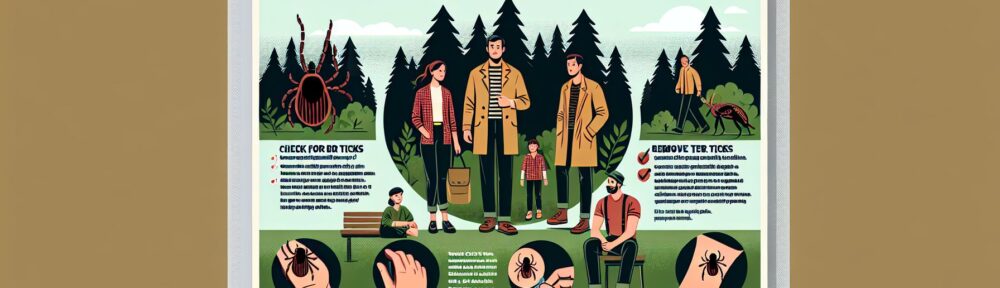
Hey there, grown-ups! Today, I want to talk to you about a serious topic that can affect anyone – Lyme disease. While it may not be a pleasant topic, it’s important to be aware of the risks and take steps to protect yourself from this potentially debilitating illness. So, grab a cup of tea and let’s dive into the world of Lyme disease.
Lyme disease is a bacterial infection that is transmitted to humans through the bite of an infected tick. These tiny creatures are commonly found in wooded and grassy areas, so if you enjoy spending time outdoors, it’s important to take precautions to avoid getting bitten. Ticks are most active during the warmer months, so be extra vigilant during the spring and summer.
One of the best ways to protect yourself from Lyme disease is to wear protective clothing when venturing into tick-prone areas. Long sleeves, pants, and closed-toe shoes can help prevent ticks from latching onto your skin. Tucking your pants into your socks may not be the most fashionable look, but it can be an effective way to keep ticks at bay.
Another key way to protect yourself from Lyme disease is to use insect repellent containing DEET. Applying repellent to exposed skin can help repel ticks and reduce your risk of getting bitten. Remember to reapply the repellent according to the instructions on the label, especially if you’re spending an extended period of time outdoors.
Now, let’s talk about what to do if you suspect you’ve been bitten by a tick. If you find a tick attached to your skin, don’t panic. Use a pair of fine-tipped tweezers to grasp the tick as close to your skin as possible and gently pull it straight out. Avoid twisting or squeezing the tick, as this can cause it to release more bacteria into your bloodstream. After removing the tick, clean the area with soap and water and keep an eye on it for any signs of infection.
If you develop a rash, flu-like symptoms, or joint pain after being bitten by a tick, it’s important to seek medical attention promptly. Lyme disease can be effectively treated with antibiotics if caught early, so don’t delay in getting checked out by a healthcare provider. Early detection and treatment are key to preventing the long-term complications of Lyme disease.
In addition to taking steps to prevent tick bites and seeking prompt medical attention if needed, it’s important to maintain a healthy lifestyle to support your immune system. Eating a well-balanced diet, staying hydrated, getting regular exercise, and managing stress can all help keep your body strong and resilient against illnesses like Lyme disease.
So, there you have it – a friendly guide to Lyme disease for adults. By taking proactive steps to protect yourself from tick bites, knowing how to safely remove a tick if needed, and seeking medical attention if you suspect you may have Lyme disease, you can reduce your risk of falling prey to this potentially serious illness. Stay safe, stay healthy, and enjoy the great outdoors responsibly!