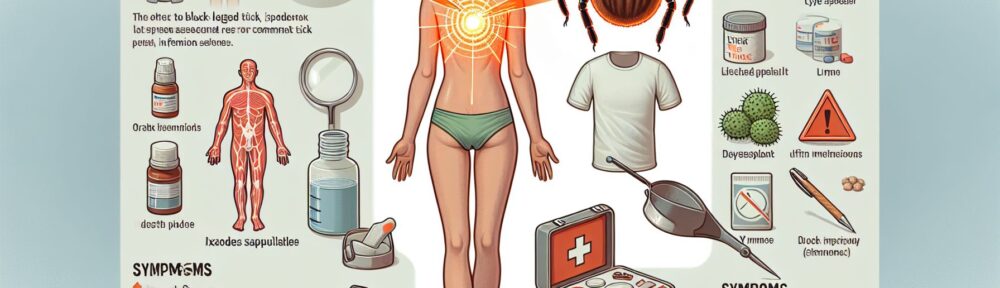
Lyme disease, a tick-borne illness that can have serious and long-lasting impacts on the health of those infected, is often a frightening and overwhelming scenario for caregivers. Understanding the symptoms, risks, treatments, and preventative measures associated with Lyme disease is vital to protect and safeguard the health of your loved ones. This article provides an in-depth look at the intricate nature of this disease and offers valuable support and guidance to caregivers.
Recognizing the Symptoms of Lyme Disease
Identifying the symptoms of Lyme disease early on can greatly improve the prognosis for the patient. Since the disease often presents differently in each individual, it is fundamental for caregivers to be vigilant. The early symptoms, typically appearing within three to 30 days post-tick bite, often include fever, chills, headache, fatigue, swollen lymph nodes, and the characteristic ‘bull’s eye’ rash.
If left untreated, the infection may spread to the joints, heart, and nervous system, leading to more severe symptoms like joint pain and swelling, heart palpitations, facial paralysis, tingling or numbness in the hands or feet, and problems with short-term memory.
Understand the Risk Factors
Certain factors can increase the risk of contracting Lyme disease. Spending considerable time in wooded or grassy areas, especially during the warmer months when ticks are the most active, heightens the possibility of acquiring a tick-bite. Another critical factor is not removing ticks promptly or properly.
Since ticks need to be attached for 36 to 48 hours to transmit Lyme disease bacterium, quick and appropriate removal can significantly decrease the risk of developing the disease.
Diagnosis and Treatment of Lyme Disease
Diagnosis of Lyme disease can be complex due to its wide range of symptoms that can mimic other illnesses such as fibromyalgia, chronic fatigue syndrome, and multiple sclerosis. Doctors typically rely on physical findings and a detailed history of tick exposure to make an initial diagnosis. Blood tests are usually performed to confirm the diagnosis.
Once diagnosed, Lyme disease is typically treated with antibiotics, usually for two to four weeks. However, the timing and duration of treatment may vary depending on the stage of the disease and the individual’s overall health. In some cases, additional treatments may be necessary to manage persistent symptoms, a condition termed as ‘Post-treatment Lyme disease Syndrome’ (PTLDS).
The Role of the Caregiver
As a caregiver, you play a crucial role in multiple aspects of managing Lyme disease — from prevention and early detection to treatment and recovery.
Prevention
Help loved ones avoid tick-infested areas, use appropriate insect repellents, and wear long-sleeved shirts, pants, and closed shoes when in risky environments. Encourage regular tick checks and make sure ticks are properly removed if discovered.
Early Detection
Be on the lookout for symptoms, especially after potential tick exposure. Early detection and treatment can make the difference in preventing more severe manifestations of the disease.
Treatment
Support your loved ones throughout the course of their treatment. Understand the prescribed medications, monitor symptoms and side-effects, and keep up regular communication with healthcare providers.
Recovery
In certain cases, symptoms of Lyme disease can linger for months, and that’s when ongoing emotional support becomes critical. Be patient and empathetic, acknowledging the physical and emotional struggles associated with PTLDS and assure your loved ones that their feelings are valid.
Conclusion
Lyme disease can be an overwhelming diagnosis, but equipped with accurate information and an understanding approach, caregivers can play an essential part in providing the necessary support, assistance, and encouragement for their loved ones to overcome the challenge. Remember that early detection and the correct treatment path can significantly improve the outcome, and your role as a caregiver in identifying symptoms and providing ongoing support is invaluable.