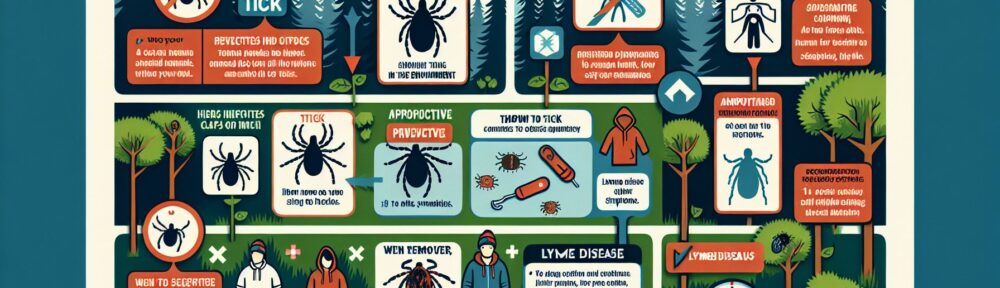
Hello, everyone! As the warmer months approach, many of us are looking forward to spending more time outdoors. Whether it’s hiking, camping, or simply enjoying a leisurely walk in the park, being outside can have numerous health benefits. However, it’s essential to be aware of potential risks, such as Lyme disease, and take necessary precautions to protect ourselves and our loved ones.
Lyme disease is a bacterial infection that is primarily transmitted to humans through the bite of infected ticks. These tiny creatures are often found in wooded or grassy areas, making outdoor enthusiasts particularly vulnerable. The good news is that there are several steps you can take to reduce your risk of contracting Lyme disease and stay healthy while enjoying the great outdoors.
Tips for Avoiding Lyme Disease:
-
Wear appropriate clothing: When venturing into tick-prone areas, it’s essential to dress in long sleeves and pants to minimize skin exposure. Tucking your pants into your socks and wearing closed-toe shoes can also help prevent ticks from latching onto your skin.
-
Use insect repellent: Apply a bug spray that contains DEET or picaridin to exposed skin and clothing. This can help deter ticks and other insects from coming into contact with you.
-
Perform regular tick checks: After spending time outdoors, thoroughly check your body for ticks. Pay close attention to hard-to-reach areas like your scalp, behind your ears, and in your armpits. Promptly removing any ticks you find can reduce the risk of disease transmission.
-
Shower soon after being outdoors: Taking a shower within two hours of coming indoors can help wash away any ticks that may be on your body. Make sure to carefully inspect your skin while bathing to ensure no ticks have attached themselves.
-
Keep your lawn trimmed: Ticks thrive in tall grass and thick vegetation, so maintaining a well-groomed yard can reduce their presence near your home. Remove any leaf litter, brush, or woodpiles that may attract ticks.
-
Create a tick-safe zone: Consider installing a barrier, such as a gravel or woodchip border, between wooded areas and your lawn. This can help deter ticks from migrating into your outdoor living spaces.
By following these simple tips, you can significantly lower your risk of contracting Lyme disease and stay healthy while enjoying all that nature has to offer. Remember, prevention is key when it comes to tick-borne illnesses, so take the necessary precautions to protect yourself and your loved ones.
In conclusion, staying safe and healthy while spending time outdoors is possible with a little bit of knowledge and preparation. By being aware of the risks associated with Lyme disease and taking proactive steps to avoid exposure to ticks, you can enjoy all the benefits of nature without worry. So, gear up, lather on the bug spray, and get outside – the great outdoors is calling!