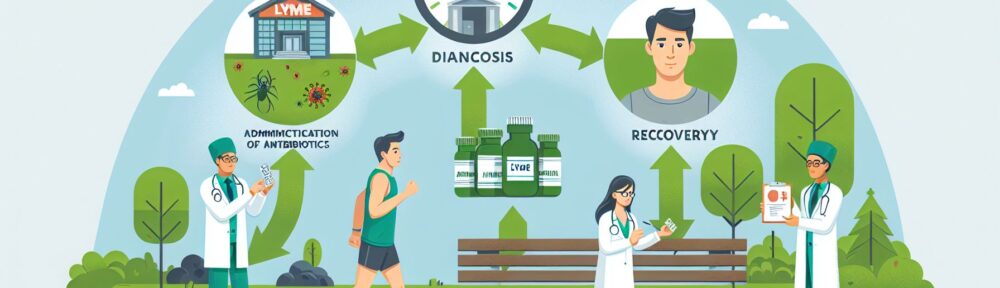
Lyme disease is a serious illness caused by the bacterium Borrelia burgdorferi, which is transmitted to humans through the bite of an infected tick. This disease can lead to a variety of symptoms, ranging from flu-like symptoms to more severe complications such as joint pain, nervous system disorders, and even heart problems if left untreated. It is important to seek medical attention and start treatment as soon as possible if you suspect you have been infected with Lyme disease. Here are some tips on how to properly treat Lyme disease.
Seeking Medical Attention
If you have been bitten by a tick or are experiencing symptoms such as fever, fatigue, and a characteristic “bull’s-eye” rash, it is important to seek medical attention right away. A healthcare provider can perform tests to confirm a Lyme disease diagnosis and prescribe appropriate treatment. Early detection and prompt treatment are key in effectively managing Lyme disease and preventing complications.
Antibiotic Treatment
Antibiotics are the primary treatment for Lyme disease. The type and duration of antibiotic treatment will depend on the stage of the disease and the severity of symptoms. In most cases, a course of oral antibiotics is sufficient to combat the infection. However, if the disease has progressed to later stages or if complications arise, intravenous antibiotics may be necessary. It is important to follow your healthcare provider’s instructions closely and complete the full course of antibiotics to ensure that the infection is fully eradicated.
Managing Symptoms
In addition to antibiotic treatment, there are ways to help manage the symptoms of Lyme disease and support overall health during recovery. Rest is crucial in allowing the body to heal and regain strength. Inflammation and joint pain can be alleviated with over-the-counter pain relievers such as ibuprofen. Eating a healthy diet rich in fruits, vegetables, and whole grains can help boost the immune system and support healing. Staying hydrated and getting regular exercise can also aid in recovery.
Preventing Future Infections
Preventing future infections is an important part of treating Lyme disease. Taking precautions to avoid tick bites, such as using insect repellent, wearing long sleeves and pants when hiking or spending time outdoors, and checking for ticks after being in wooded or grassy areas, can help reduce the risk of contracting Lyme disease. Regularly checking yourself, your children, and your pets for ticks and promptly removing any that are found can also help prevent infection.
Follow-Up Care
After completing antibiotic treatment, it is important to follow up with your healthcare provider to ensure that the infection has been successfully treated and to address any lingering symptoms. Some individuals may experience ongoing symptoms even after treatment, a condition known as post-treatment Lyme disease syndrome. In these cases, further evaluation and treatment may be necessary to manage symptoms and support overall health.
Conclusion
Lyme disease is a serious illness that requires prompt and proper treatment to effectively manage the infection and prevent complications. Seeking medical attention, starting antibiotic treatment, managing symptoms, preventing future infections, and following up with healthcare providers are essential steps in treating Lyme disease. By taking these steps and prioritizing your health and well-being, you can recover from Lyme disease and support your overall health in the long term. Remember to consult with your healthcare provider for personalized guidance and support throughout your treatment journey.