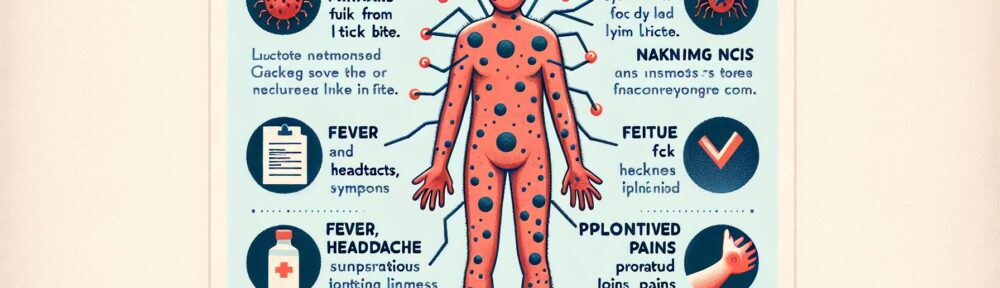
Lyme disease is a common tick-borne illness that can affect anyone, but is especially prevalent among families who spend time outdoors. As the warmer months approach and more families venture into wooded areas or grassy fields, it’s important to be aware of the signs and symptoms of Lyme disease. Early detection and treatment are key in managing the illness and preventing more serious complications down the road.
Understanding Lyme Disease
Lyme disease is caused by a bacterium called Borrelia burgdorferi, which is transmitted through the bite of an infected black-legged tick. Ticks are most active during the warmer months, so it’s important to be vigilant when spending time outdoors, especially in wooded or grassy areas where ticks are commonly found.
Recognizing the Symptoms
The early signs of Lyme disease can often be mistaken for the flu, which is why many cases go undiagnosed in the early stages. Some common symptoms to look out for include:
- Fever and chills
- Headache
- Fatigue
- Muscle and joint aches
- Swollen lymph nodes
- Bullseye rash at the site of the tick bite
If you or a family member start experiencing any of these symptoms after spending time outdoors, especially in areas where ticks are prevalent, it’s important to seek medical attention as soon as possible.
Getting Tested
Diagnosing Lyme disease can be challenging, as the symptoms can vary and may resemble other illnesses. Your healthcare provider may order blood tests to look for antibodies to the bacterium that causes Lyme disease. It’s important to note that these tests may not always be accurate in the early stages of the illness, so clinical judgment by a healthcare provider is key in making a diagnosis.
Treatment and Prevention
If you or a family member is diagnosed with Lyme disease, the most common treatment is a course of antibiotics. Early treatment is crucial in preventing the illness from progressing to more serious stages, such as joint pain, heart palpitations, or neurological issues.
In addition to treatment, prevention is key in reducing the risk of Lyme disease. Some tips for preventing tick bites include:
- Avoiding wooded or grassy areas, especially during peak tick season
- Wearing long pants and sleeves when spending time outdoors
- Using insect repellent with DEET
- Checking yourself and your family members for ticks after being outdoors
Conclusion
Being aware of the signs and symptoms of Lyme disease is crucial in managing the illness and preventing more serious complications. If you suspect that you or a family member may have been exposed to ticks or are experiencing symptoms of Lyme disease, don’t hesitate to seek medical attention. With early detection and treatment, Lyme disease can be effectively managed, allowing you and your family to enjoy the great outdoors safely.