As we venture into the great outdoors, one particular concern on many people’s minds is the risk of contracting Lyme disease. This tick-borne illness can cause long-term complications if not diagnosed early and treated effectively. While it might seem like a fairly remote risk, the truth is Lyme Disease is the most common vector-borne disease in the United States, according to the Centers for Disease Control and Prevention. To help ease your worries and maintain your health, we’ll discuss key ways to avoid Lyme Disease and enjoy the outdoors safely.
Understanding Lyme Disease
Before delving into prevention, it’s essential to understand what exactly we’re trying to prevent. Lyme disease is an infectious disease caused by the bacteria Borrelia burgdorferi, typically transmitted to humans through the bite of infected black-legged ticks, also commonly known as deer ticks.
Symptoms can vary from person to person but typically include fatigue, fever, headache, and skin rashes. If left untreated, the infection can spread to the joints, heart, and nervous system, leading to severe complications.
Importantly, prompt treatment with antibiotics can effectively clear the infection and prevent progression to later stages of the disease. Not all tick bites result in Lyme Disease, but understanding the possible risks is crucial in avoiding it.
Prevention: “An Ounce of Prevention is Worth a Pound of Cure”
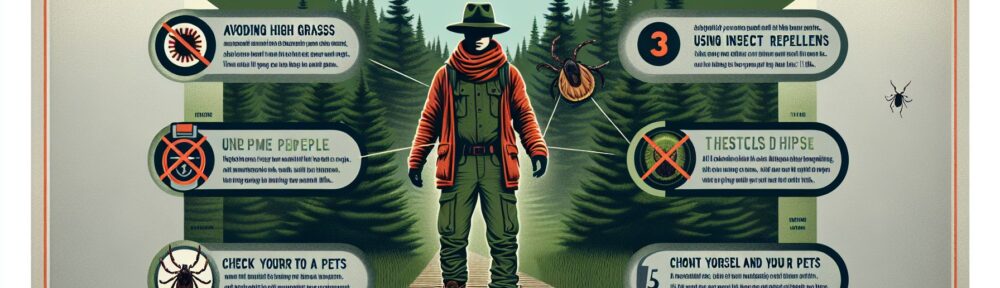
Preventing exposure to ticks is, without question, the most effective way to avoid Lyme Disease. Here are a few simple, but crucial, steps you should follow:
1. Avoid Tick Habitats
Ticks thrive in moist and humid environments, often near wooded and grassy areas. If you walk on these paths, stick to the center to limit tick exposure.
2. Dress Wisely
If you’re hiking, camping, or simply spending time in grassy outdoor areas, wear light-colored clothing. This makes it easier to spot ticks crawling on your clothing. Also, wear long-sleeved shirts and long pants tucked into your socks or boots.
3. Use Tick-Repellent and Check Regularly For Ticks
Use sprays that contain 20-30% DEET or permethrin on clothes and exposed skin. It’s also important to regularly check for ticks, especially after visiting areas where they are prominent.
Recognizing Early Symptoms of Lyme Disease
Even with these preventive measures, it’s important to be aware of early symptoms in case a tick bite does occur.
Symptoms typically appear 3-30 days after a tick bite and may include:
- Erythema migrans (EM) rash
- Fever
- Chills
- Body aches
- Swollen lymph nodes
The EM rash, a significant early sign of Lyme disease, slowly expands over days and can sometimes clear as it gets larger, forming a ‘bull’s-eye’ appearance. If you spot any of these symptoms, seek medical attention promptly. Early diagnosis and appropriate antibiotic treatment can effectively fight the infection and help prevent complications.
Lyme Disease Is Preventable
Lyme disease is a serious illness, but remember, it is preventable. By following these simple protective measures, understanding the symptoms, and seeking early medical intervention, you can enjoy outdoor activities without fear.
Indeed, nature offers innumerable benefits – from boosting mood and providing exercise, to offering sheer beauty. Don’t let Lyme disease deter you from enjoying these gifts. Always stay informed, and you can keep yourself and your loved ones safe and healthy.